
A Science-Based Approach to Turning Chronic Pain Down
Pain Reprocessing Therapy helps many people reduce long-standing pain by calming the nervous system.
The goal is not to ignore pain—but to help your brain relearn when your body is safe.
Pain Reprocessing Therapy (PRT) helps many people reduce long-standing pain and feel safer in their bodies. The goal is simple: turn pain down and help you get back to daily life with more confidence.
PRT is a research-supported approach based on modern neuroscience. For many people with chronic pain, the nervous system stays on high alert even after the body has healed. Pain is real—but it is not always a sign of ongoing injury.
Instead of managing symptoms alone, PRT helps the brain relearn that the body is safe. As fear decreases, the nervous system can calm. Over time, pain often eases.
How Pain Reprocessing Therapy Helps Reduce Chronic Pain
PRT focuses on changing how the brain and nervous system respond to pain signals. When the body feels safer, pain often becomes less intense and less frequent.
Rather than avoiding pain or fighting it, clients learn new ways to respond that reduce fear and tension. This shift can help the nervous system move out of a constant state of alarm, allowing pain to settle.
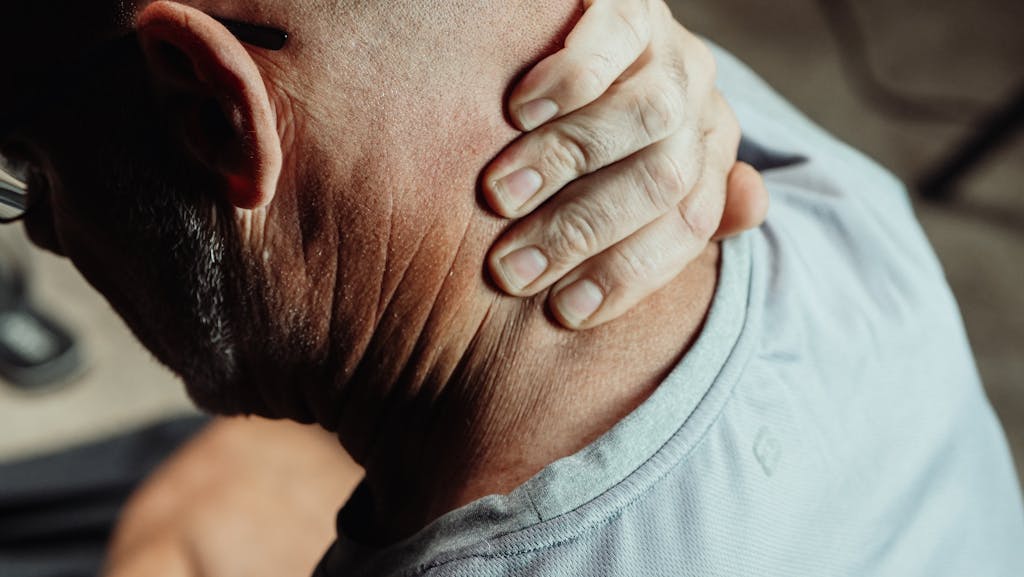
What Chronic Pain Is and Why It Can Persist
Chronic pain usually means pain that lasts longer than three months. It continues beyond the usual healing period.
Unlike short-term pain, chronic pain may persist even when scans or tests show no clear tissue damage.
People with chronic pain often notice that they:
- Feel pain that shifts, spreads, or comes and goes
- Notice pain increase with stress, fear, or focus
- Avoid movement or activities out of concern about flare-ups
- Feel discouraged after trying many treatments without relief
PRT may help with certain types of back or neck pain, headaches, fibromyalgia, pelvic pain, and other ongoing pain conditions.
Your pain is real and valid. PRT recognizes the brain’s role in pain—and its ability to learn new, safer patterns.
Why Focus on the Brain and Nervous System?
The brain decides whether a sensation signals danger. When the nervous system learns to link certain movements, sensations, or emotions with threat, it may keep sending pain signals even when the body is safe.
PRT does not suggest you are causing your pain. Instead, it offers a clear and compassionate way to understand how pain becomes learned—and how it can be unlearned.
In therapy, clients work to:
- Learn how pain works in the brain, using clear and practical language
- Reduce fear and constant monitoring of the body
- Respond to pain with curiosity instead of alarm
- Rebuild trust in movement and everyday activities
What to Expect in Pain Reprocessing Therapy
PRT is structured but flexible. Care is tailored to each person.
Sessions often include education about pain, guided exercises to notice sensations safely, skills to increase emotional awareness, and gradual return to avoided activities.
The work can feel challenging at times. Many people also find it empowering to gain tools that directly influence their pain and restore confidence in their bodies.
Frequently Asked Questions
1. Is Pain Reprocessing Therapy right for my type of pain?
PRT may help when pain has lasted longer than expected and tests show little or no ongoing injury. It’s often used for certain back or neck pain, headaches, fibromyalgia, pelvic pain, and other persistent pain conditions.
2. Does this mean my pain is “all in my head”?
No. Your pain is real and valid. PRT recognizes that the brain and nervous system play a role in pain—and that they can learn safer patterns over time.
3. How long does Pain Reprocessing Therapy take?
Some people benefit from short-term, focused work, while others choose longer-term support. The pace depends on your goals, history, and how your nervous system responds.
4. What happens during a PRT session?
Sessions include education about how pain works, guided exercises to notice sensations safely, and gradual return to avoided activities. Care is tailored to you and moves at a supportive pace.
5. Do I need to stop other medical care or treatments?
No. PRT can be used alongside medical care. Your clinician will consider your medical history and coordinate thoughtfully. Always follow your medical provider’s guidance.
6. How do I get started, and is there a waitlist?
The first step is to complete the inquiry form. We’ll review your information and follow up about fit, availability, and next steps.
Pain Reprocessing Therapy at The Concord Center
At The Concord Center, PRT is offered as part of our evidence-based care for people living with chronic pain.
We begin with a thorough conversation about your pain history, medical context, and stressors that may play a role. From there, your clinician works with you to apply PRT principles in a supportive, individualized way.
Some people choose short-term, focused care. Others benefit from longer-term support. The goal is not only less pain, but better daily functioning, confidence, and quality of life.
If chronic pain has left you feeling stuck, you’re not alone—and support is available.
Next Steps
Complete an inquiry form for individual services to get started. We’ll review your information and follow up about next steps..